This anthology is under construction with eight stories already completed on a wide variety of topics with one more being written at present. I will post excerpts of each for your perusal and feedback. They vary from science fiction to pioneer life in Canada, and also include memories of my childhood, relationships as a young adult, as well as experiences in university. One story involves a search for God as a concept rather than a deity. As I complete others, I will post as well and hope to be finished by this fall.
*Note: I just added two more stories.
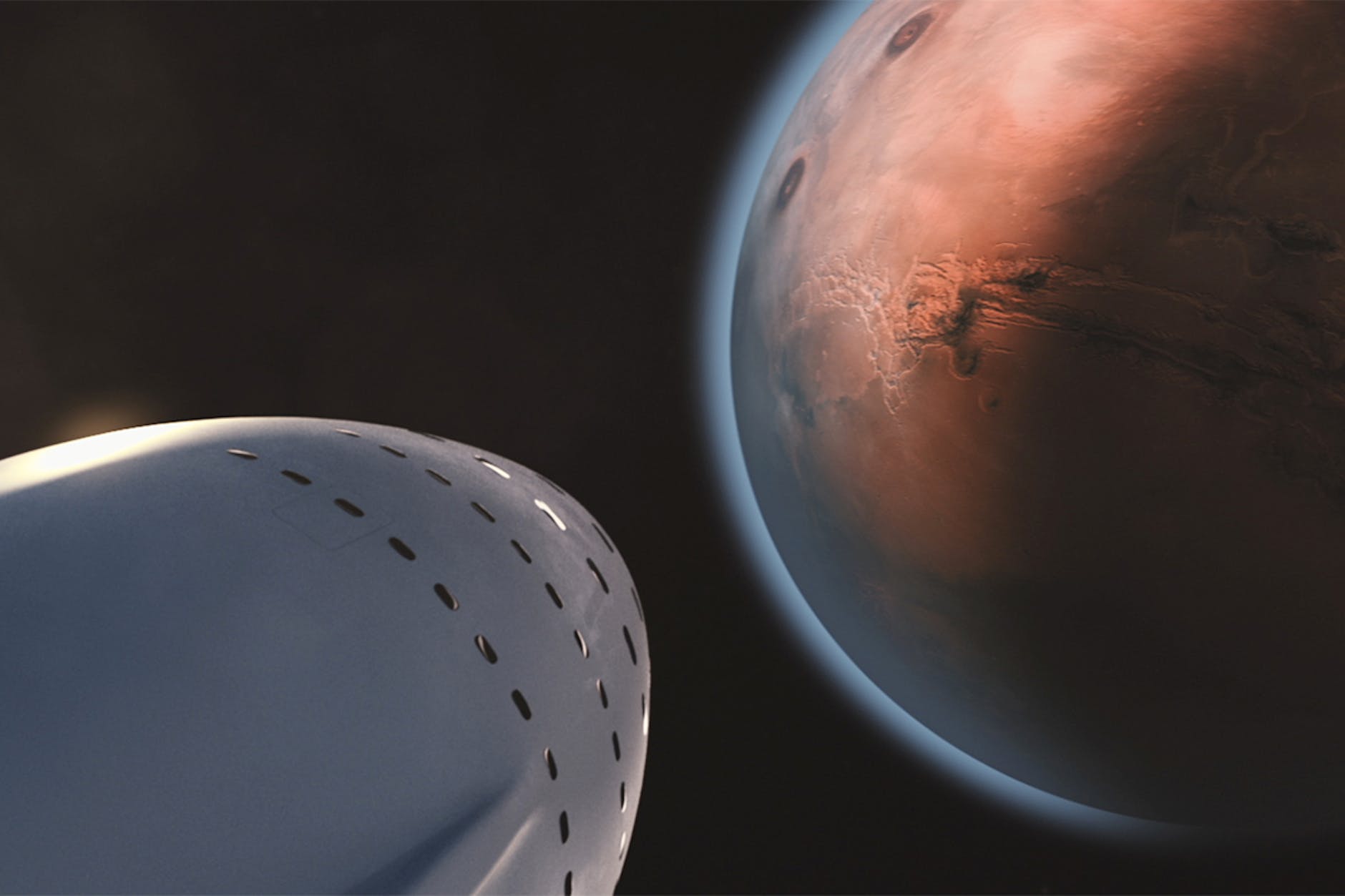
Excerpt from ‘Planet LT125’: Here, a young man is sent on a journey to another planet where, as scientists on Earth can discern, there exists a Utopian society. Earth is in peril, and the information he brings back will hopefully be vital to its existence:
Drifting
And it’s happening right before our eyes
This drifting sensation
Though our planets align
Our gravity bending photons of light,
Leptons of our conversation spill
Relentlessly into space
Though at times we appear
Intimate
We know it’s happening
Though neither will admit its
Inevitability –
You walk home in darkness
Under the inundation of stars
The Andromeda and The Virgo Cluster
How can you not look up
And forget where you are
Here, David has blasted off from Earth and after many months, his spaceship approaches its destination:
When David awoke, he was well within sight of LT125. It looked to be roughly three times the size of earth, but instead of a colorful sphere of browns, greens and blues, it was rather shrouded in a thick cloud, as if it wanted to be overlooked. David was told that the inhabitants were ‘humanoid’ but had no idea what exactly they looked like or what language they spoke. Would they look at him as a malcontent, an outsider bent on disrupting the harmony he was told they possessed? Would he be hailed as a messiah or struck down like a seditionist? He had been led to believe that it would be no problem. Put technically, ‘It would all come out in the wash’, was the official word. The small ship zagged around several dwarf moons resembling large irregular boulders before it permeated the atmosphere of darkness and settled solicitously on the planet’s surface. Immediately, it became bright, the atmospheric façade disappearing, differing to three large suns. His surroundings contained no ostentatious geological features – rolling hills, ardent pastures, patches of azure suggesting lakes and rivers. He walked tentatively from the ship’s platform, shading his eyes from the bright suns and was surprised to see no city skylines, no towns, no dwellings, no structures of any sort. As he walked away from the ship, he thought he caught glimpses of figures that seemed to manifest randomly. They were definitely humanoid and at first quite naked, but soon they were donned with bright golden body suits. A crowd gradually materialized around him, appearing and disappearing, but David felt no apprehension. In fact, it was as if his mind became rife with serotonin so that every impression, every thought, every movement of his body radiated warmth and gratuity. But there was something missing.
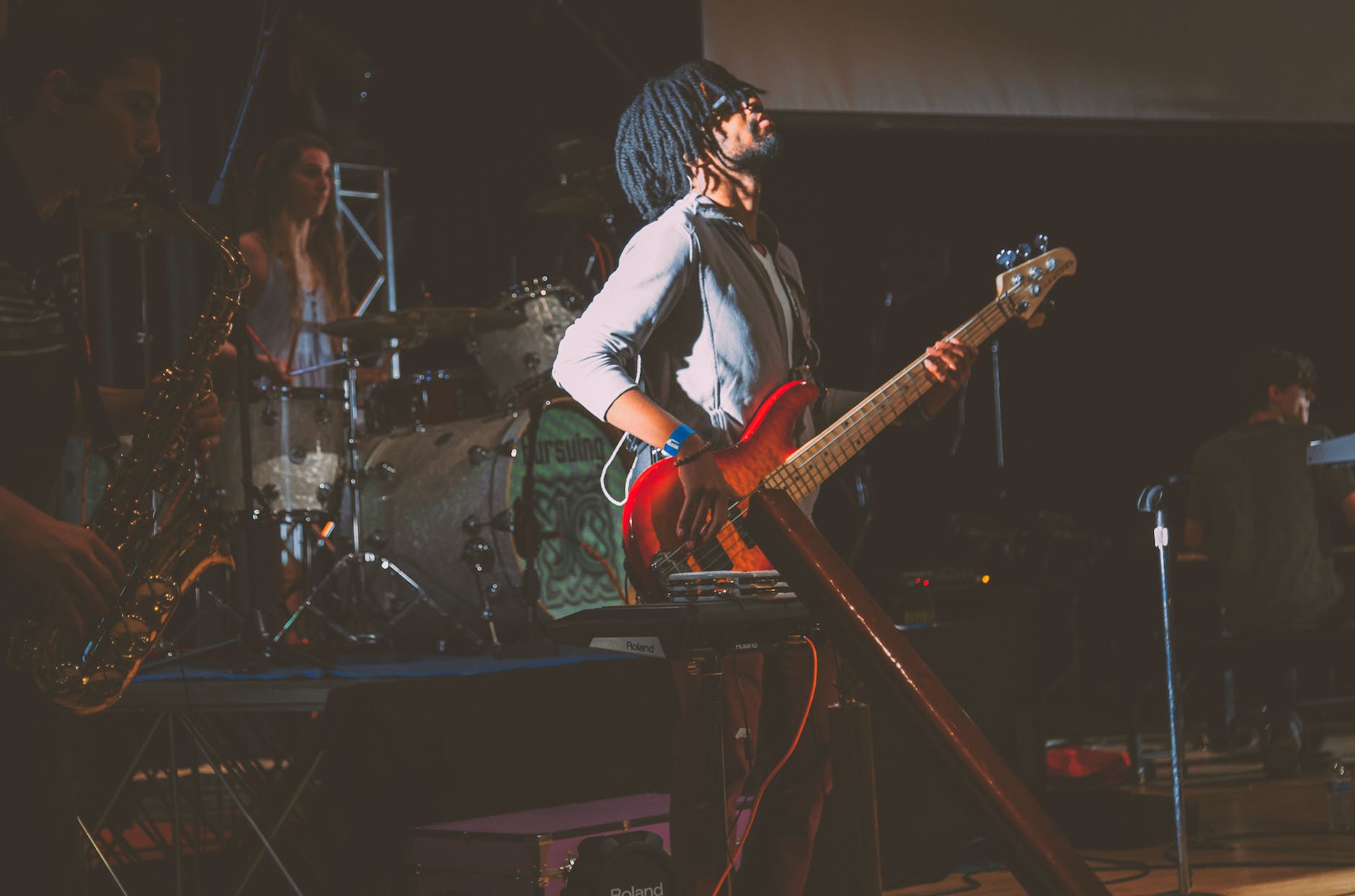
Excerpt from ‘Looking for God’: A father drives to a city to watch his son play in a band. While walking down the street to the bar, he feels like he is being watched by a higher power. In his mind all the while, he struggles to come to terms with this awareness:
It is time to go – the walk is eight blocks down Queen Street. The diminutive clerk appears furtively as I wish him a pleasant evening. I push through the exit and walk into the bleak city night. And then I feel it, a presence. I know this to be true because I have felt eyes upon me many times in my life, and every time I have turned, I have caught the stare, the eyes quickly lowering or turning away. And it is not so much that it emanates from shadows under street lights or from someone following, but from above, like falling into a well and looking up into a ring of starlit sky. And in that sky the eyes are all-knowing, telling me something explicit, even though I know reality is not real, that it is only a spate of awareness mixed into some vast network, like egg whites folded into a soufflé. But who is behind the eyes? What are they telling me, and why do they watch? The lion heads from the wallpaper of the old hotel have escaped their fabric backing and pursue like small pink balloons which pop about my head and then roar accordingly; I quicken my pace.
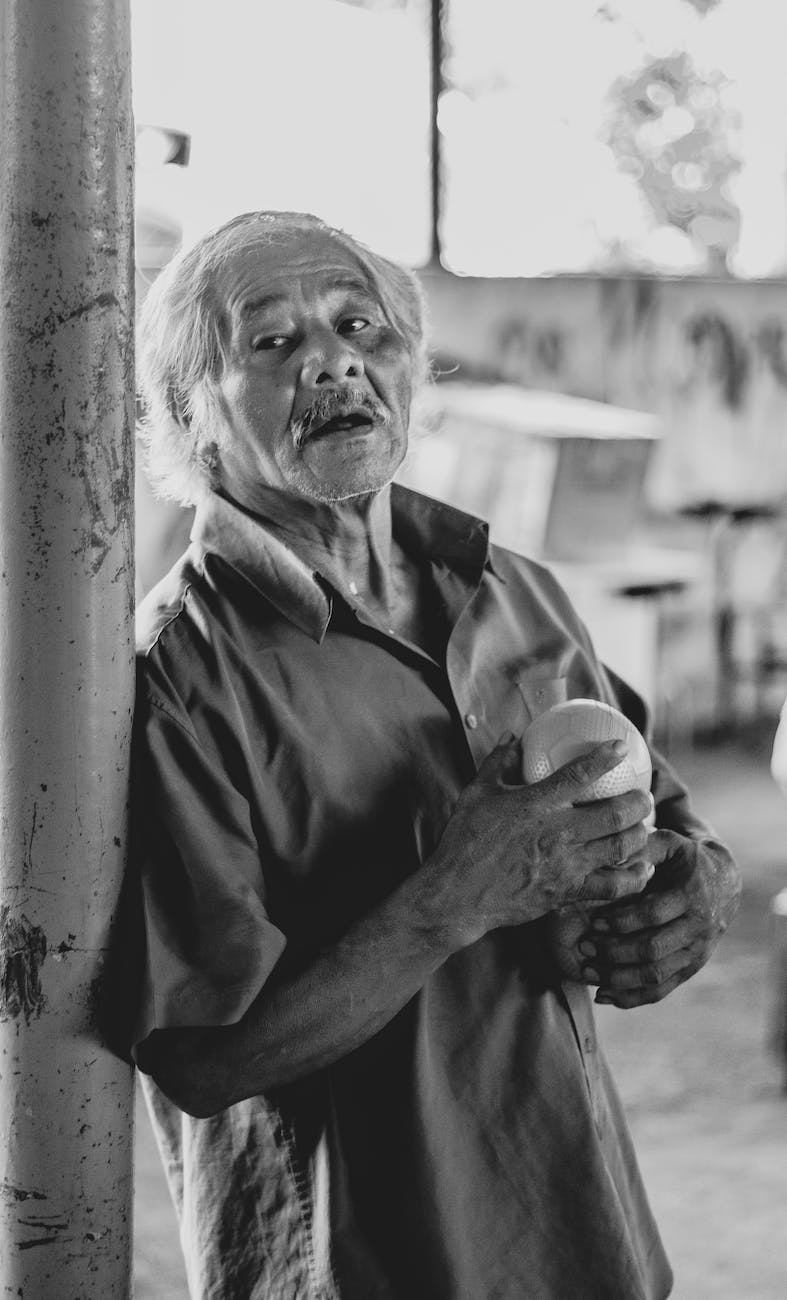
Excerpt from ‘Bud’: Bud, an Ojibway man was very much a part of our family when I was growing up. He was a colorful character and very kind and giving. He also had a wonderfully offbeat sense of humor. There are so many memories, good memories associated with his presence that I decided to write about him. However, it was many years ago, and I struggled to recreate his essence:
When growing up, we had the fortune of having a First Nations family live next door. When I say ‘next door’ it means about a half-mile up the road as we lived in a rural area. It was a large family with three generations living in several tar-paper buildings without running water or electricity. However, I cannot qualify that they lived in squalor as they occupied the space, barely an acre, like land barons rich with wealth although wealth did not involve currency or possessions. They, as I remember, were quite content with what they had, a kind of cognitive state rife with treasures. As a little boy, they might as well have lived in crenulated castles where I spent, it seems, every other day. I was treated with kindness and respect as if I were just another member of the family. Little boys are seldom given these dignities in my world until they reluctantly grow into men.
There is one character, Bud, I can picture, although I’m afraid the only likeness I can conjure is black and white and faded – perhaps an etching. It appears in a nondescript thin black frame, and there is evidence of foxing around the edges. The background has been bleached white after so many years of exposure to ultra-violet light, and although this serves to accentuate his image, the expression on his face is smeared as if smudged by someone’s thumbprint. Although he appears and reappears several times as we all hurdle toward the future at one second per second, I have attempted to describe the multiple Buds living at various times within the universal folds as this one single image though I warn that this is not an accurate science. Nor is it like describing a lost relative to a sketch artist – more like there are assorted cards of Bud I have shuffled, picking one from the middle of the deck. On this particular card, he is a 32 year old man standing about six foot two wearing black pants that ride up his ankles and a black shirt with white mother of pearl buttons; one, the second from top, is missing. If I draw in a cowboy hat, he is the stereotypical villain, proud and defiant, but I hesitate to do this because he was such a gentle man. His mouth is open and has the beginnings of a smile, something Bud did often, revealing a row of crooked teeth appearing white but in reality, a soft hue of saffron, the incisors out of line with one another. He is a well-proportioned man with slick black hair even though his nose is crooked where I broke it throwing wood into our basement. This point in time is just one of the layers concealing Bud, and at times it feels as if I am using the jaws of life to pry out bits and pieces of his memory.
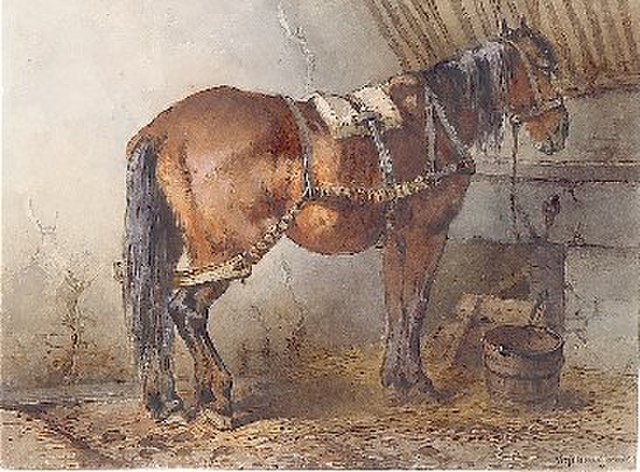
Excerpt from ‘A Slow Kind of Dying’: The story exemplifies the hardships people faced in Northern Ontario during the turn of the 19th century where people had to somehow make a living carving out farms from bush lots. Here, a man so overcome with work has little time for his two young daughters:
It was that fleeting transition between fall and winter where, were it not for the weather, one may be deceived into believing things were hopeful, as for a few short weeks, work on the farm receded. The day was grey and cold, and his attenuated profile moved slowly and rather stiffly toward the barn, the years of strenuous labor exacting their toll on his body. Fastening the buttons on his old sheepskin coat, he caught up the rifle with a jerk to a more comfortable position under his arm. Ned stood in his wooden stall, motionless, head down as if contemplating some deep and confounding mystery. The old workhorse hardly acknowledged the approach of this man who slid back the wooden bolt and stepped easily inside the large box-shaped enclosure. Ernest Pollock’s eyes moved slowly along the huge back of the horse he had bred and raised for work on the farm. It was now sunken and deformed by age, with lean flanks and ribs that showed through a tired grey coat. They had been partners now for some twenty years, and it would not be inaccurate to say that Ernest spent more time with the animal than he did with his family. Without warning, an image surfaced in his mind of a newborn foal steaming with afterbirth, struggling to stand on protracted legs. As he moved closer to Ned, now well past his prime, he began to speak to him in a series of clicks and intonations, a language only the two of them understood.

Excerpt from ‘A Day at Camp Bison’: “This story evokes the bygone days of minimum security prison life in Canada and takes the reader on a journey through a day in the life of some of the highly flawed, offbeat individuals living out their sentences. The story tells what happened one day on a work detail, the ensuing interaction and dubious problem-solving skills of the participants leading to hilarious consequences. One day several inmates are given a work detail, orders which they fully intend to obey while expending a minimum amount of effort and a maximum of passing the buck. The characters are realistic and thoroughly entertaining. The story is carefully constructed and leads us unsuspectingly to a rousing conclusion,” Tavares.
With that, Albert took the requisition sheet to the stores building to pick up his rifle and the other supplies. There were enough shovels and pickaxes that he was also given a wheel barrow to transport them to the crew that had already been congregated outside Cell Block Five A. The men could never be mistaken for invitees to a fancy ball. They were ratty looking with drab clothing, and their features were dark, like discarded silverware that was decidedly tarnished. Members of Group Six were the old pots used on open fires, warped and burnt black by the flames of life.
“I see the big man has a rifle,” said Clyde, nicknamed ‘Shady’ as he whistled sarcastically, “Which one of us are you going to shoot?”
“If you don’t be good boys and girls,” Albert replied with a slight grin, “I may just have to shoot you all.” This was followed by anemic laughter from the others, and this, for the interim, seemed to assuage any half-hearted concerns the men had.
Leave a comment

Excerpt From, ‘Sunday School’: When we were young boys, my parents insisted we attend Sunday School as they desperately sought to sew the seeds of morality in our minds ensuring we would enjoy everlasting life.
We sat through this mostly mute, listening to the heartwarming stories of Sodom and Gamora, Sampson and Delila, David and Goliath, and the crucifixion of Christ all wondering how to trim our sails through these lessons on morality so that we could guide our small ships into the narrow harbor of the Kingdom of Heaven,
“Why is it called Good Friday when Jesus was killed?”
“He died to save us all from our sins.”
“Why? Was God going to have us all killed?”
“You’ll learn all about this when you get older,” was the usual end of discussion, said with a hint of disdain as if we were all too stupid to understand, and the lesson continued. When she began looking at her watch was that precise moment when we began to harbor hope that there was indeed life after death, something to look forward to after Sunday School, at least reason for optimism.
 Seymour Words
Leave a comment